Kontihene of Sefwi Wiawso Traditional Area Urges Government to Review Decentralisation System
Nana Ofori Ahenkan II, Chief of Sefwi-Boinzan and Kontihene of the Sefwi Wiawso Traditional Area in the Western North Region, has called for a paradigm shift in Ghana’s decentralisation system, describing the current structure as counterproductive to effective service delivery and coordination.
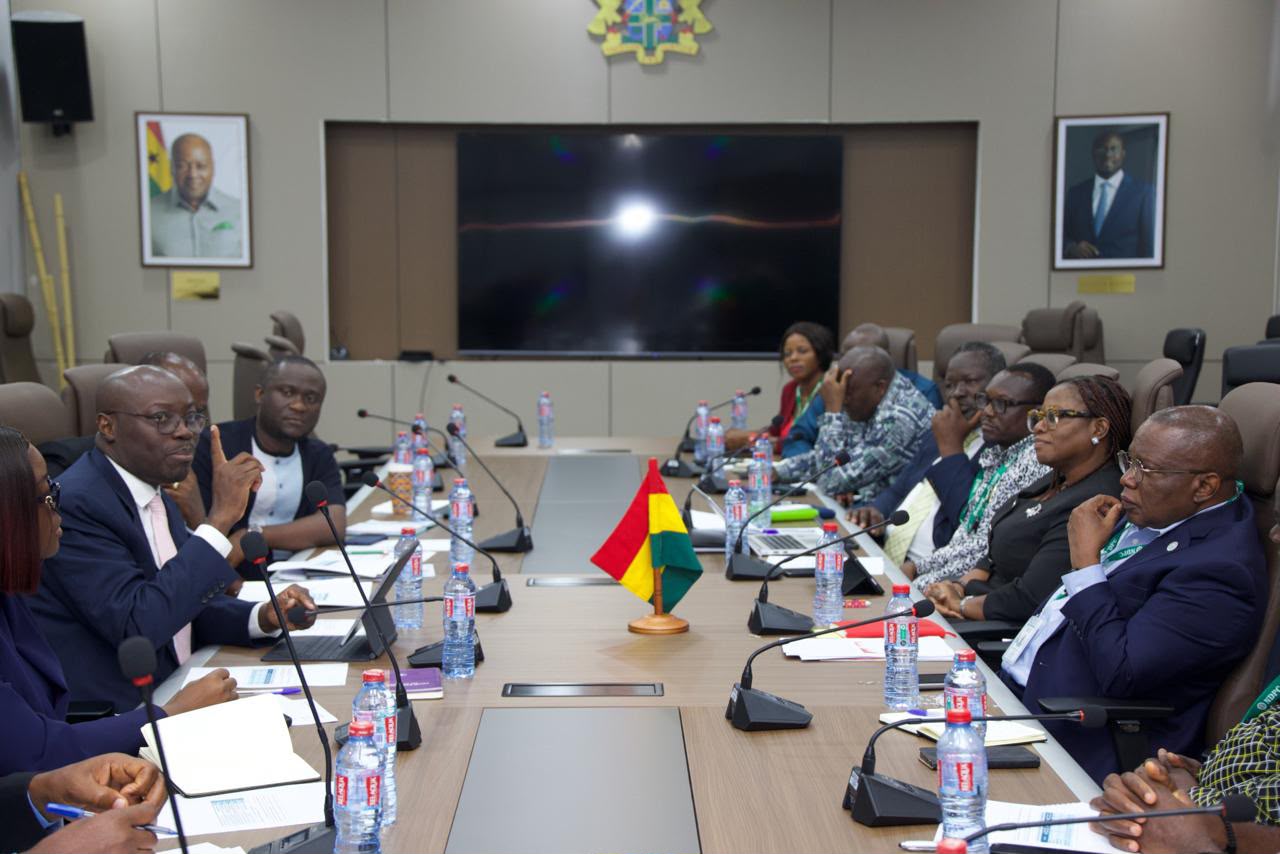
He made the call when a delegation from the National Development Planning Commission (NDPC), led by its Chairman, Dr. Nii Moi Thompson, and Director-General, Dr. Audrey Smock Amoah, paid a courtesy call on him on Friday, March 27, 2026, following a strategic engagement with Metropolitan, Municipal and District Assemblies (MMDAs) and key stakeholders at the Western North Regional Coordinating Council as part of preparations for the Consolidated Development Plan.
The Chief clarified that the concern goes beyond the coordination role of the regional capital and rather touches on the core functions it is meant to perform within a tiered governance system. He explained that regional capitals are designated to host higher-level services and institutions, while lower-level services are assigned to the districts. However, he observed that this structure is not effective where regional offices within the decentralized system are dispersed across different districts within the region .
“In my personal view, the decentralisation of various agencies within the regions is becoming a challenge rather than a solution,” he stated.
Nana Ofori Ahenkan II, therefore, called for a more balanced approach, one that preserves local participation while strengthening coordination and oversight at the regional level. “We need a system that works for the people, one that ensures efficiency, accountability, and real development outcomes,” he emphasised.
He further noted that the region’s development potential is being hampered by fragmented governance. He cited key priorities such as the establishment of a regional hospital, the creation of a university, improvement in road networks, and the promotion of agribusiness, particularly oil palm plantations. Without a coordinated decentralisation system, he warned, these initiatives risk delays, inefficiencies, and duplication of effort.
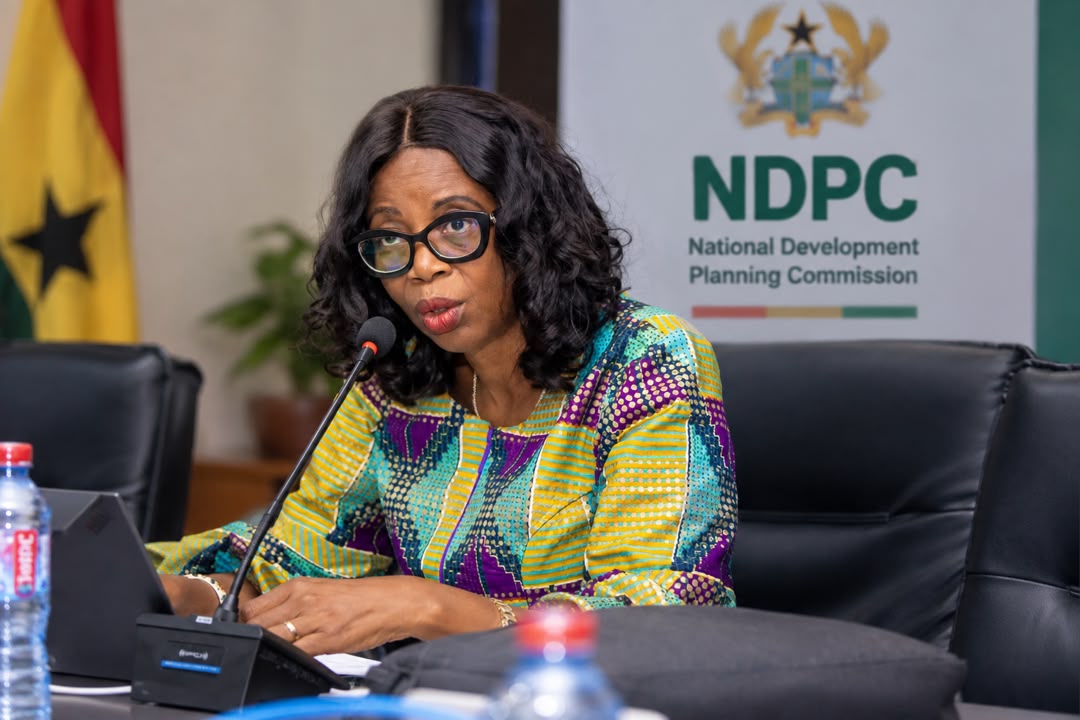
His concerns were reinforced by the Director-General of the NDPC, Dr. Audrey Smock Amoah, who earlier stressed the importance of coordination and alignment in planning and implementation processes during the stakeholder engagement. She noted that effective development planning requires strong institutional collaboration across districts and regions to ensure that policies translate into measurable outcomes.
“We must ensure that our planning processes are well coordinated and results-oriented,” she said, adding that fragmented systems can slow implementation and reduce the overall impact of development programmes.
Meanwhile, the Chief Director of the Western North Regional Coordinating Council, Pln. Joseph K. Baah-Darkoh, who represented the Regional Minister at the stakeholder engagement, highlighted the importance of aligning national development frameworks with the needs and aspirations of people at the grassroots. He noted that as Ghana works to harmonise key policies such as the 40-year Long-Term Development Plan, the Ghana Beyond Aid Charter, and Vision 2057, their success will largely depend on how well they reflect local realities and priorities.
He further stressed that although the Western North Region is endowed with vast natural resources, fertile lands, and a hardworking population, it continues to face critical challenges, including infrastructure deficits, limited access to quality healthcare and education, and the need to diversify the local economy. He expressed confidence that the engagement would enable stakeholders to clearly articulate regional priorities and contribute meaningfully to shaping a national development agenda that leaves no region behind.
The delegation was accompanied by the Commission’s Regional Representative, Dr. Emmanuel Carsamer. Certificates were presented to districts in the Western North Region following the approval of their Medium-Term Development Plans for the 2026–2029 planning period.
END
NDPC PR-UNIT